
Planning a new landscape is an opportunity to transform your outdoor living space into a captivating nighttime experience while also enhancing your home’s curb appeal.
Having a conversation with your home builder or landscape architect about including outdoor lighting in the initial design phase ensures your property is attractive and safe after dark.
When lighting is part of the initial plan, your designer can account for fixture placement, wiring routes, and power sources from the start, resulting in a cohesive outcome, rather than a patchwork of add-ons.
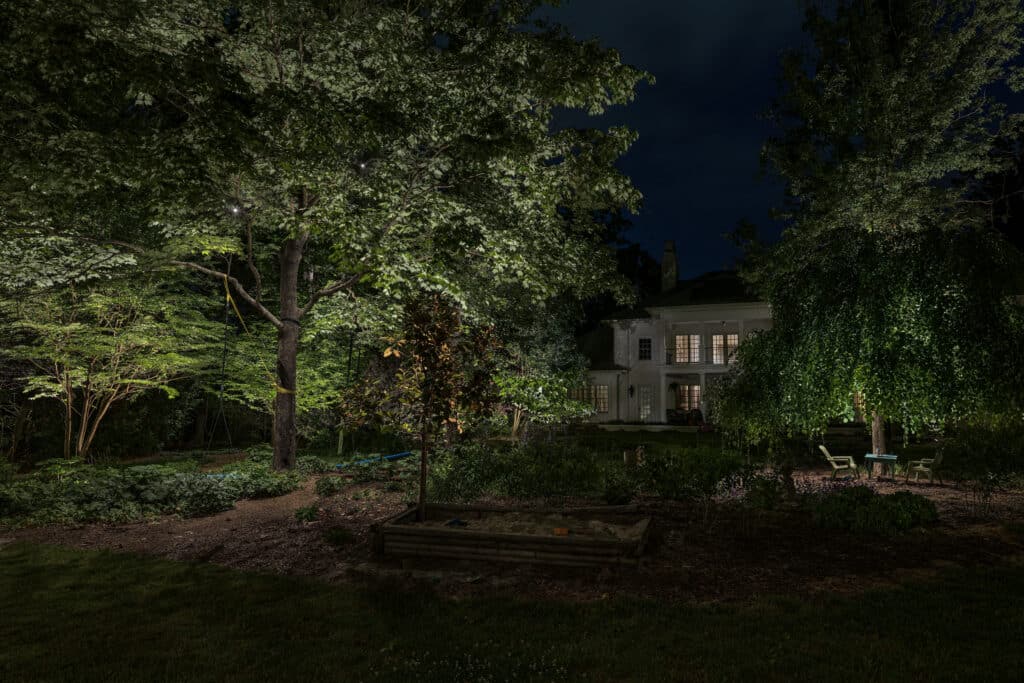
Planning a New Landscape Starts With Your Needs
Memorable moments happen after sunset, from long nights on the patio to grilling out with friends and family and relaxing with a good book in hand. Without adequate lighting, those evenings can end sooner than you’d like.
To get the most out of your outdoor space, it’s important to determine where and how you’ll use your yard. Consider these areas when planning your outdoor lighting design:
- Plants or garden features you want to display
- Pathway and stair fixtures that improve visibility and safety for you and your guests
- Water features or architectural elements you hope to showcase
Once you’ve identified how you’ll enjoy your outdoor space, it’s time to discuss with your home builder or landscape architect how they will bring that vision to life. Consider these five questions.
Including lighting in the initial design, whether for a new build or a landscape renovation, sets the foundation for every decision that follows.
1. Should Outdoor Lighting be Included in the Initial Landscape Plan?
Absolutely. Find a builder or landscape architect who prioritizes outdoor lighting early in the process. When lighting is part of the initial plan, your designer can account for fixture placement, wiring routes, and power sources from the start, resulting in a cohesive outcome, rather than a patchwork of add-ons. This helps create a design that smoothly integrates landscape lighting, giving your home and property a gorgeous result.
Partnering with a builder who values lighting means you’ll avoid these risks:
- Installation conflicts
- Exposed wiring
- Trouble integrating architectural and facade elements
- Disorganized timelines
Including lighting in the initial design, whether for a new build or a landscape renovation, sets the foundation for every decision that follows, including which features deserve the spotlight.
Not every lighting technique is appropriate for every feature, and poor placement can diminish your landscape and create unwanted glare in the surrounding environment.
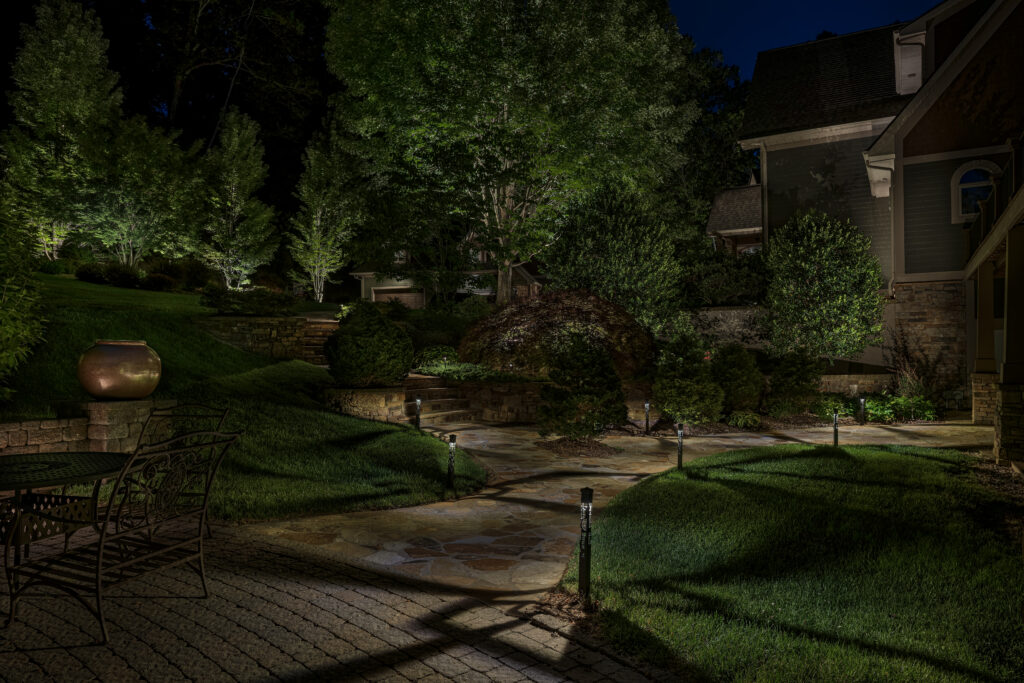
2. Which Features Are Worth Highlighting?
A well-lit landscape complements various features on your property, such as a garden, fire pit, or tree line. Not every lighting technique is appropriate for every feature, and poor placement can diminish your landscape and create unwanted glare in the surrounding environment. Ask your builder or architect:
- How will they highlight each feature? Different lighting techniques can create dramatically different visual effects. Learn more about how they will showcase key elements and maintain cohesion.
- What design recommendations do they provide? Your builder might suggest lighting that adds depth and dimension to architectural or other focal points you may not have considered.
- Will they use environmentally friendly lighting? Low-voltage LED systems have a longer-lasting performance and are a more cost-effective solution.
Intensifying those focal points with your builder early in the design process will avoid lighting becoming an afterthought.
Partnering with a professional lighting designer and installer like Carolina Outdoor Lighting provides you with a credible guide on how the system works and where the wiring is installed.
3. Where Will Power Sources and Wiring Be Located?
As magical as an illuminated property looks, there is a network of wiring and power sources that ensures everything functions properly and creates a stunning finished result. You’ll want to discuss the following with your builder:
- Recommended control systems include timers, dusk-to-dawn sensors, and other automations that improve energy efficiency and the overall system’s performance.
- The transformer’s location allows you to manage your lighting units’ schedule (if you choose to), perform routine maintenance, such as bulb changes or cleaning, or troubleshoot potential flickering lights.
- Distribution of wiring for general awareness and protection of underground wiring. This helps minimize the risk of accidental damage during future projects, such as planting new trees or installing irrigation.
Partnering with a professional lighting designer and installer like Carolina Outdoor Lighting provides you with a credible guide on how the system works and where the wiring is installed.
Intentional outdoor lighting reduces hazards and enhances safety while creating a welcoming environment.
4. What Areas Need Safety Lighting?
While planning a new landscape, you’ll want to ensure that your property is properly lit to keep you, your family, and your guests safe. Talk to your builder or architect about integrating lighting in these areas:
- Pathways to prevent slips
- Driveways to improve navigation for driving and walking
- Stairs, especially where shadows can hide steps
- Retaining and perimeter walls that define edges throughout the property
Intentional outdoor lighting reduces hazards and enhances safety while creating a welcoming environment.
A flexible lighting plan allows your landscape to adapt as it grows without sacrificing the lighting system’s functionality or performance.
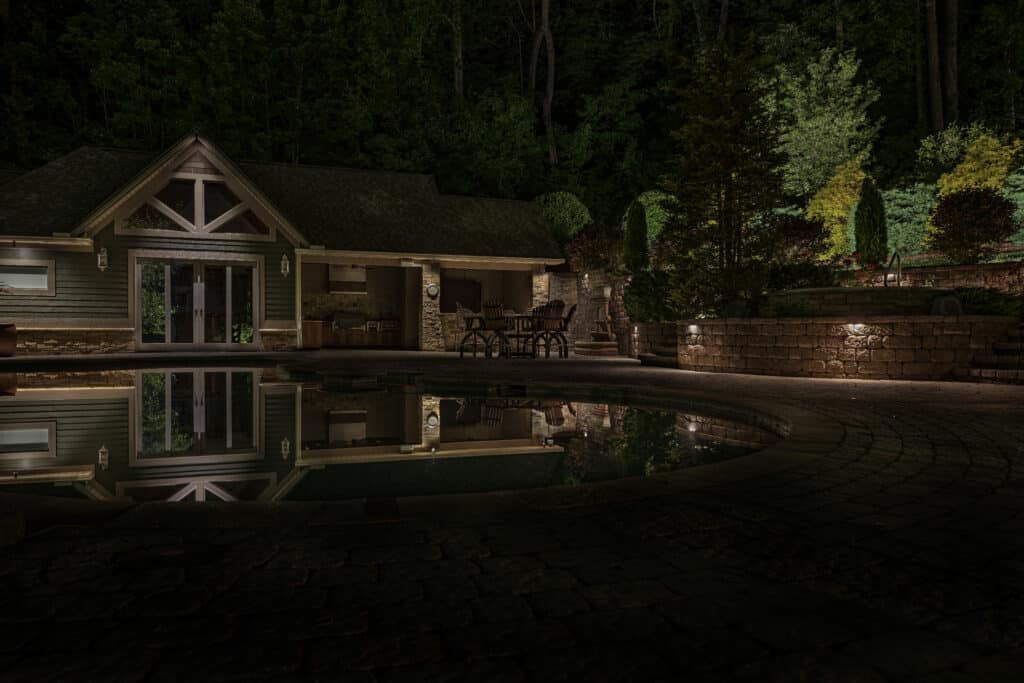
5. Will My Lighting System Grow with Future Landscape Projects?
A thoughtful exterior lighting system should evolve with your property. Having a plan well before installation ensures your outdoor lighting will continue to enhance your home and function beautifully today and in the days to come.
Be sure you and your builder or architect are on the same page about:
- How the system supports future projects. For example, if you anticipate adding a detached garage, expanding an entertaining area, or planning for a larger garden, your lighting system should be designed with those options in mind.
- How to plan for future planting growth or design changes. Trees, shrubs, and other landscape features mature over time, so you’ll want to take fixture placements into account for the years ahead.
- The current electrical setup and its design intent for additional fixtures. Planning for upgrades like adding extra lighting to a driveway, pool, or deck earlier will save you money in the long run.
A flexible lighting plan allows your landscape to adapt as it grows without sacrificing the lighting system’s functionality or performance.
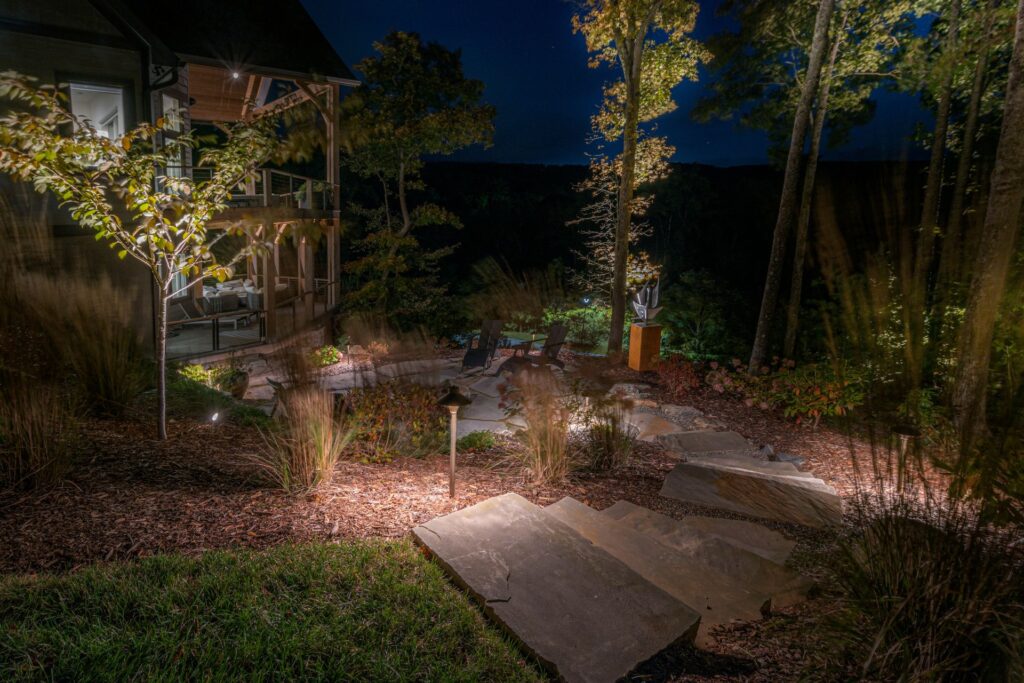
Reimagine Your Landscape
The right lighting design and thoughtful planning help you get the most out of your landscape. Brightening your outdoor space enhances your curb appeal, creates inviting areas to gather, and improves your property’s safety.
Give your landscape the glow-up it deserves. Contact us today to learn how we can support your outdoor lighting needs.