
An outdoor lighting design should adapt to a property, not work against it. As a landscape architect and builder, you want to ensure that your clients’ outdoor spaces have adequate illumination, especially for Daylight Saving Time (DST).
Give your clients the best possible outcome by designing or upgrading an existing outdoor lighting system aligned with changing hours.
DST exposes gaps in an otherwise well-planned landscape lighting design, particularly in heavily trafficked areas such as driveways, walkways, stairs, and patios.
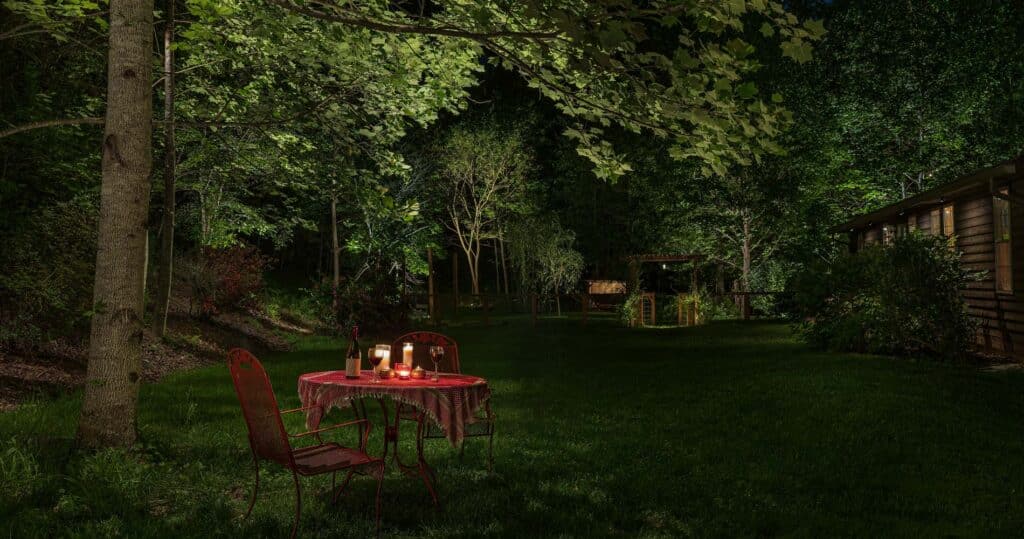
Less Daylight, More Problems
DST exposes gaps in an otherwise well-planned landscape lighting design, particularly in heavily trafficked areas such as driveways, walkways, stairs, and patios.
If an outdoor lighting system is outdated, uneven lighting, corroded fixtures, or poorly placed lights become more apparent as the sun sets earlier.
This seasonal shift can also highlight issues with lighting systems programmed around fixed times. If a client’s landscape lighting system isn’t adjusted to match the changing hours, certain areas of a property may appear underlit or overly lit longer than necessary, adding unnecessary costs to your client.
Without proper illumination or automatic lighting controls, your clients face safety and usability issues when the clocks turn back.
An outdoor lighting design that accounts for DST gives your clients consistent visibility and performance without requiring major adjustments throughout the year.

Adaptable Outdoor Lighting Design Tips for Changing Hours
If you are planning a new lighting design for a client, consider how the landscape will look beyond the longer days of summer. Frequently used areas, such as decks, firepits, stairs, front porches, and driveways, require more attention once the sun departs.
Low path lighting provides a gentle glow, guiding guests along walkways and driveways. Directional spotlights near a client’s main entrance or garage doors enhance visibility and security.
Automated controls and timers provide consistent illumination throughout the day and help your client avoid unnecessary runtime or increased bills.
An outdoor lighting design that accounts for DST gives your clients consistent visibility and performance without requiring major adjustments throughout the year.
Fall is an ideal time to evaluate your client’s current outdoor lighting design, address performance or functionality issues, and recommend upgrades before problems become bigger and seasonal demands increase.
Elevate an Existing Lighting System for DST
Fall is an ideal time to evaluate your client’s current outdoor lighting design, address performance or functionality issues, and recommend upgrades before problems become bigger and seasonal demands increase.
Start by reviewing the landscape lighting system’s placement, coverage, and functionality. Flickering or dull bulbs, outdated fixtures, and areas that don’t complement the surrounding landscape signal an opportunity to upgrade.
Thoughtful upgrades improve safety, curb appeal, and let your client enjoy their outdoor areas longer into the evening, no matter the season.
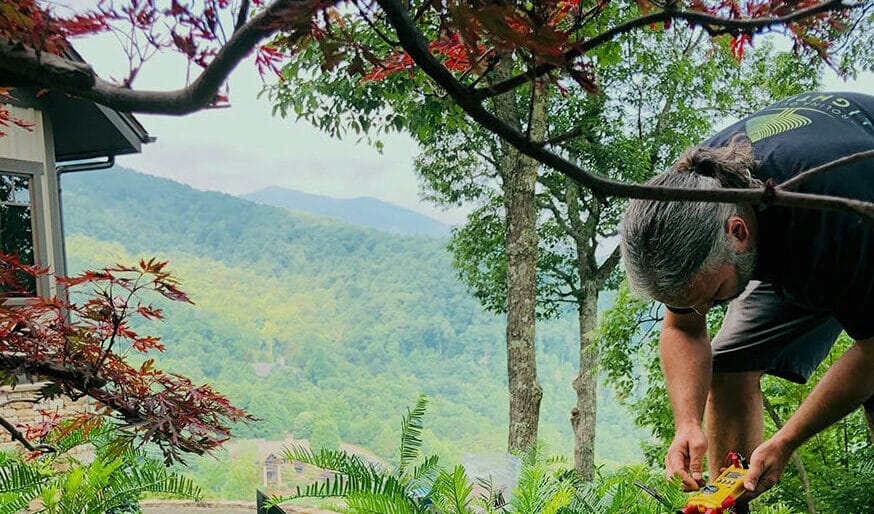
Think Ahead & Partner With Carolina Outdoor Lighting
We work with landscape architects and builders to help bring their design intent to life. Together, we can create an outdoor lighting design that stands the test of time, no matter the season.
Talk to us today and learn how we can support your next project.